


-

Add: HeBei ShengShi HongBang Cellulose Technology CO.,LTD.
-

Email
13180486930@163.com -

CONTACT US
+86 13180486930
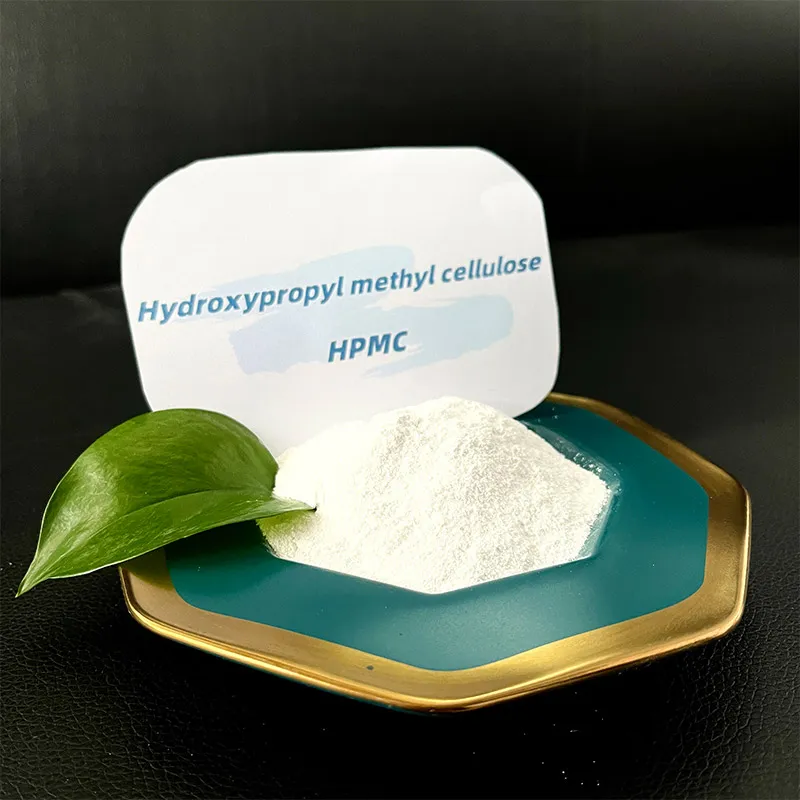
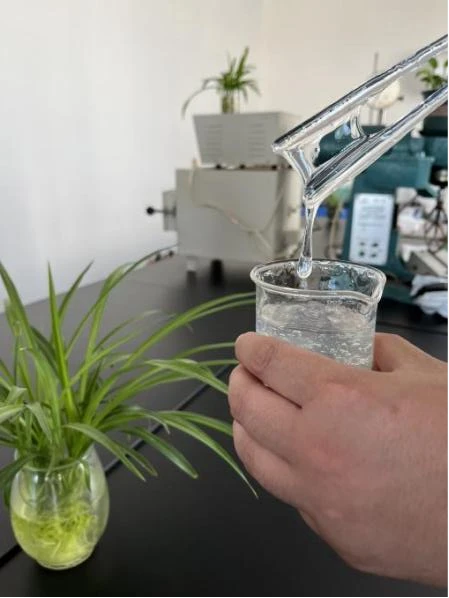
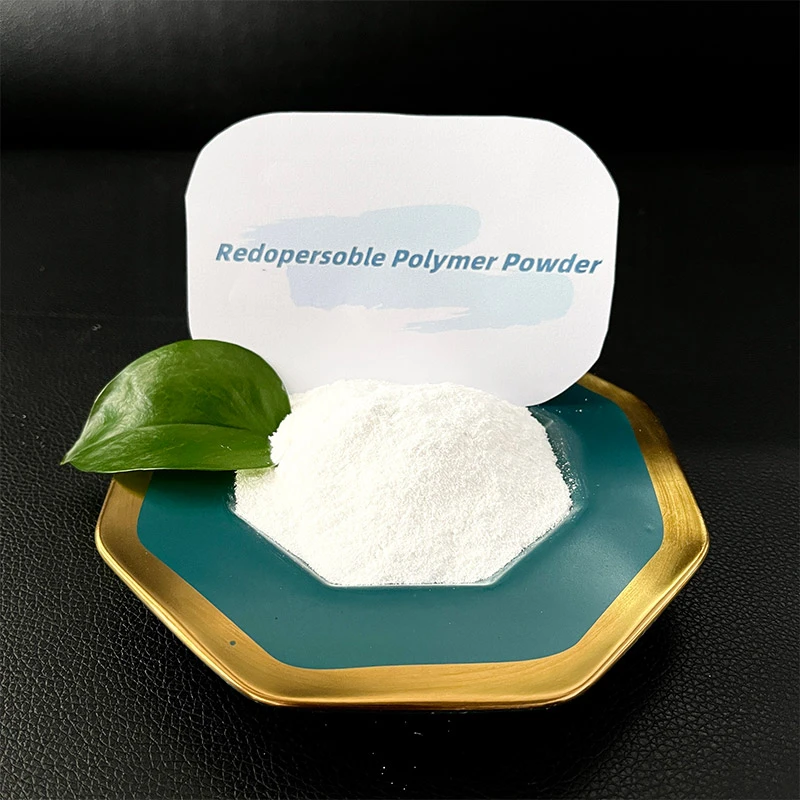
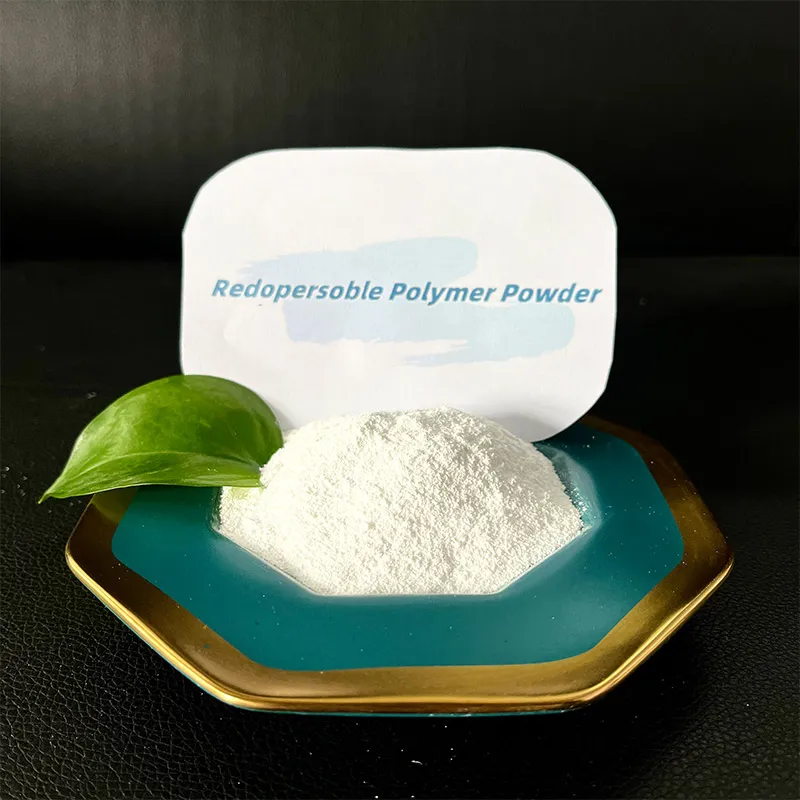


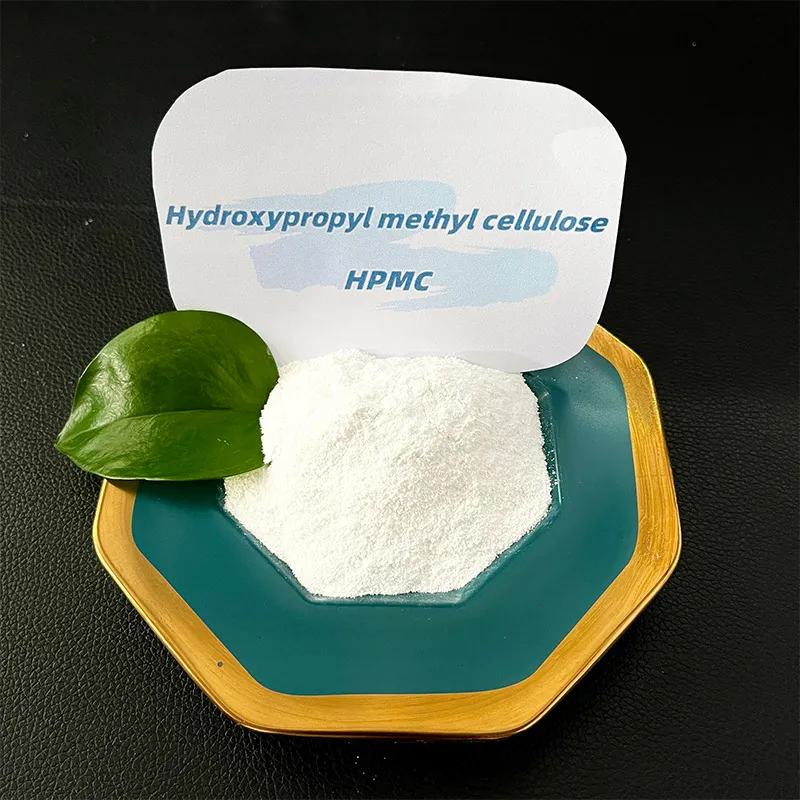
Hydroxypropyl methylcellulose (HPMC), also known as hypromellose, is a versatile compound used in various industries due to its valuable properties. With a unique blend of stabilizing, thickening, and film-forming abilities, it stands out especially in the pharmaceutical, food, and construction sectors. Understanding its features, applications, and benefits can offer a deeper insight into why HPMC is a crucial component in many formulations today. One of the distinguishing qualities of HPMC is its origin. Derived from cellulose, a natural polymer, it combines nature's reliability with chemical innovation. Through a process of etherification, cellulose undergoes transformation, enhancing its solubility and thermal stability—key factors contributing to its widespread usage. Because it is non-toxic, biodegradable, and shows excellent compatibility with a wide range of substances, it is esteemed for its safety profile, ensuring trust and reliability in its applications. In the pharmaceutical realm, HPMC plays a pivotal role as an excipient. It is commonly used as a binder in tablets, where it helps in sustaining the release of active ingredients, making medications more effective over longer periods. Its use in ophthalmic solutions is another notable example, where HPMC acts as a lubricant, providing relief from dry eyes. This versatility demonstrates its therapeutic potential, enhancing the efficiency and efficacy of pharmaceutical preparations. The food industry also capitalizes on the remarkable characteristics of HPMC. It acts as a thickener, stabilizer, and emulsifier in various food products, from sauces and dressings to baked goods and dairy items. Its ability to maintain moisture and improve texture without altering the taste makes it invaluable, contributing both to product consistency and consumer satisfaction. what is hydroxypropyl methyl cellulose Further endorsing its multi-industry prevalence is HPMC's role in construction. Here, it is integral to the formulation of many modern building materials. Used in cement renders, gypsum products, and tile adhesives, HPMC improves workability and adhesion while reducing water retention. These properties enhance the durability and longevity of construction applications, confirming its importance in structural integrity. Moreover, the resilience of HPMC in varying temperatures—retaining its properties from freezing to boiling points—adds to its adaptability and reliability in different environmental conditions. As global standards call for more environmentally friendly and efficient materials, HPMC aligns perfectly with these needs. As a biodegradable substance, it provides an environmentally conscious option for companies seeking sustainable solutions, further cementing its status as a preferred choice in manufacturing. In conclusion, hydroxypropyl methylcellulose is more than a mere chemical entity; it embodies the intersection of safety , efficacy, and functionality. Whether utilized in pharmaceuticals, food products, or construction, HPMC stands as a testament to innovation in material science. Its integration into various sectors underscores its necessity and versatility, making it an irreplaceable ingredient in modern industry applications. As industries continue to evolve, the reliance on materials like HPMC that deliver consistent quality while adhering to safety and environmental protocols will undoubtedly increase, paving the way for future advancements.
- 40000tons

Production
- 20+years

Experience
- 5000+㎡

Acreage

-
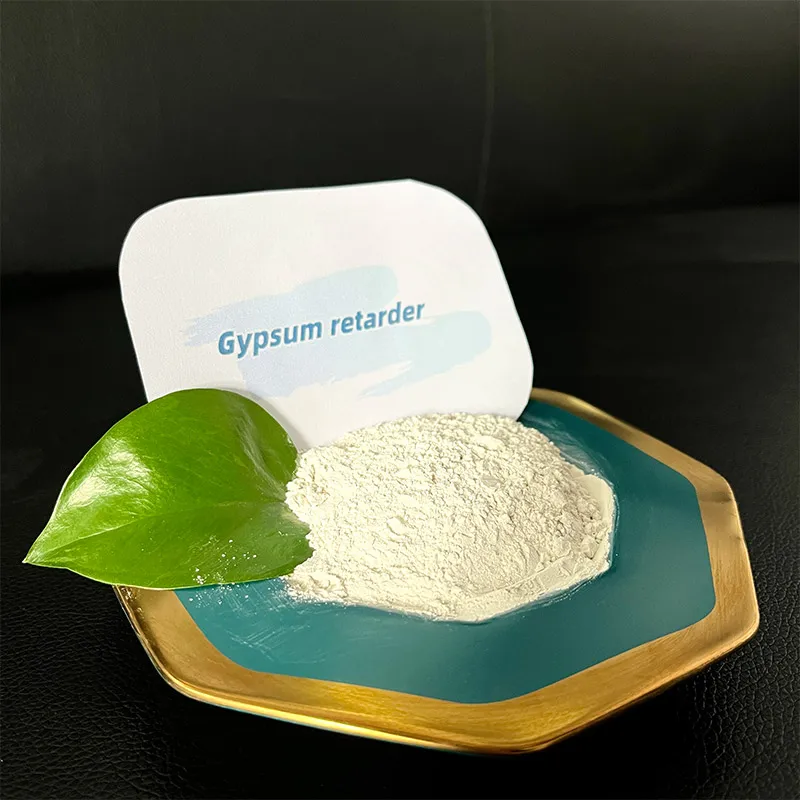
In the construction industry, particularly in plastering, retarder in gypsum plays a crucial role in enhancing the workability and performance of gypsum-based products. A gypsum retarder is an additive that slows down the setting time of gypsum, allowing workers to apply the material more easily and with more flexibility. This becomes particularly useful in large-scale applications, where time management and smooth application are essential for achieving high-quality finishes. The addition of a gypsum retarder not only prevents premature setting but also enhances the material’s usability, making it easier for workers to mix, spread, and smooth out the plaster on walls and ceilings. This is especially beneficial in high-traffic projects or in situations where multiple layers of plaster need to be applied. The retarder in gypsum ensures that the plaster doesn't set too quickly, which could result in uneven surfaces or unfinished work. One of the key advantages of using a gypsum retarder is that it gives professionals the extra time they need to adjust and perfect their work. It allows for consistent results even under tight deadlines or in difficult conditions, which is crucial in construction and renovation projects where precision is key. The Importance of Easy Mix Plaster Retarder for Efficient Workflows An easy mix plaster retarder is an essential tool for any professional working with plaster or gypsum. This type of retarder is specifically designed to simplify the mixing process, enabling workers to achieve the ideal consistency without the stress of rushed drying times. With an easy mix plaster retarder , workers can focus on getting the plaster to the right consistency before it starts setting, resulting in a smoother and more durable finish. What makes an easy mix plaster retarder particularly beneficial is its ability to maintain the material’s workability for extended periods, even in hot weather, which can otherwise cause plaster to set too quickly. By introducing a retarder into the mix, it is possible to maintain optimal plaster consistency and extend working time, ensuring no material is wasted and the application remains flawless. Moreover, the easy mix plaster retarder helps achieve more uniform plaster layers, ensuring consistent thickness and adhesion across the surface. This is particularly important when working on larger surfaces or projects that require more attention to detail, like ornate ceilings or walls with intricate designs. How a Gypsum Retarder Enhances Performance in Plastering Using a gypsum retarder is not just about slowing down the setting time of plaster—it also improves the overall performance of the material in plastering applications. Gypsum, when mixed without a retarder, can harden too quickly, leaving workers with limited time to achieve a smooth and even application. A gypsum retarder allows workers more time to manipulate the material, leading to more precise and even results. In addition to improving the ease of application, a gypsum retarder can also enhance the final appearance of the plaster. It helps to reduce the likelihood of cracking or shrinking during the curing process, which can be caused by the rapid setting of gypsum. By using a gypsum retarder , the material stays workable for longer periods, ensuring a smooth finish that is free of imperfections. This extended working time also gives workers the flexibility to apply multiple coats of plaster without the risk of the first layer setting prematurely. This is especially important in projects that require thicker layers of plaster, such as when leveling uneven walls or creating decorative features. The Advantages of Using Retarders in Gypsum-Based Materials The application of retarder in gypsum offers multiple benefits to both construction professionals and the quality of the final product. The most immediate advantage is the extended working time it provides, which enables workers to achieve a more consistent and high-quality finish. Without a retarder, gypsum can set too quickly, leading to poor application, uneven surfaces, and wasted material. Another advantage of gypsum retarders is that they improve the overall strength and durability of the plaster. When gypsum sets too quickly, it can result in cracks and an uneven texture, which diminishes the overall strength of the wall or surface. By using a gypsum retarder , the material sets gradually, allowing it to form a stronger bond and reducing the likelihood of cracks or weak points in the plaster. Additionally, gypsum retarders can be especially useful in larger projects or those requiring complex designs. The extra working time ensures that workers can complete large areas of plastering without the pressure of fast-setting materials, which is crucial for ensuring consistency and a high-quality finish across the entire surface. What is the Best Time to Use a Retarder in Gypsum? Using a retarder in gypsum is an effective way to extend the working time of plaster and improve the overall quality of the finish. However, it is important to know when and how to use a gypsum retarder for optimal results. For example, it is particularly useful when working in warm environments, as high temperatures can cause gypsum to set too quickly. In these conditions, adding a gypsum retarder will give workers more time to smooth and perfect the plaster without the fear of premature setting. Another scenario where a gypsum retarder is beneficial is when working on intricate plaster designs. These require more time for careful application and finishing, and a retarder can prevent the plaster from hardening before the design is complete. This is crucial for decorative plastering, where precision and smoothness are key. gypsum retarder FAQs What is a gypsum retarder used for? A gypsum retarder is an additive used to slow down the setting time of gypsum-based products. It allows workers to apply and work with the plaster over an extended period, ensuring a smooth and even finish without the material setting too quickly. How does a gypsum retarder affect the drying time? A gypsum retarder extends the drying time of gypsum by delaying the chemical reaction that causes it to set. This gives workers more time to manipulate the material, apply it properly, and achieve a better final result without the pressure of rapid setting. Can a gypsum retarder be used in all types of plastering projects? Yes, a gypsum retarder can be used in most plastering projects where extended working time is needed, such as large-scale applications, intricate designs, or when working in high-temperature environments. It ensures that the plaster remains workable and manageable for longer periods. What is the difference between a gypsum retarder and an easy mix plaster retarder? While both types of retarders slow down the setting time, an easy mix plaster retarder is specifically formulated to simplify the mixing process, making it easier to achieve the right consistency. On the other hand, a gypsum retarder is designed to work specifically with gypsum-based products, improving their overall workability and performance. Are there any downsides to using a gypsum retarder? While gypsum retarders offer many benefits, overuse can lead to a weaker final product or extended curing times. It is important to follow manufacturer guidelines and use the retarder as needed to avoid any potential negative effects on the material’s final strength.
-
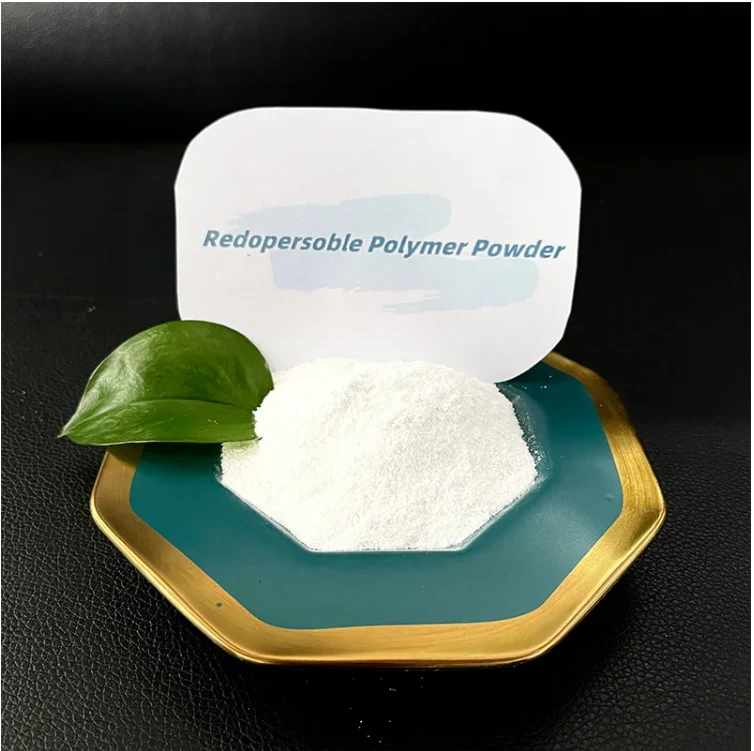
Hydroxypropyl methylcellulose , commonly known as HPMC, is a versatile compound extensively utilized in various industries. Its remarkable properties make it an essential ingredient in numerous products, offering significant functional benefits. In the realm of pharmaceuticals, HPMC serves as a crucial excipient, enhancing the quality and efficacy of medicinal products. It acts as a film-forming agent, providing a protective coating that improves the stability of active ingredients. This function is particularly vital for controlled-release formulations, where HPMC's ability to regulate the release rate ensures optimal therapeutic outcomes. Furthermore, its high solubility and bio-adhesive properties facilitate efficient drug delivery, maximizing patient compliance and treatment effectiveness. HPMC also plays a pivotal role in the food industry, where it functions as a texturizer, emulsifier, and stabilizer. It is revered for its ability to enhance the mouthfeel and consistency of various food products, such as dairy alternatives, sauces, and baked goods. The compound's thermal gelation property is crucial in creating a desirable texture, mimicking the palatability of full-fat versions with a healthier twist. Moreover, HPMC is an invaluable asset in gluten-free formulations, replicating the structural integrity gluten provides in conventional doughs. hydroxypropyl methylcellulose function In the construction sector, HPMC is indispensable in the production of high-performance building materials. It functions as a thickener and water retention agent in cement-based products, improving workability and extending open time during application. This results in enhanced adhesion, minimized cracking, and superior overall durability of the final structure. Its effective binding properties and excellent compatibility with other materials facilitate the creation of advanced, eco-friendly construction solutions. The cosmetic industry also greatly benefits from HPMC’s functional attributes. It is widely used as a film former and thickener in various personal care products like shampoos, lotions, and makeup. HPMC enhances product stability, consistency, and feel, while also providing a protective hydrating layer on the skin or hair. Its hypoallergenic nature and biocompatibility make it a preferred choice for formulations intended for sensitive skin. In summary, hydroxypropyl methylcellulose's unique properties enable it to perform multiple critical functions across diverse industries. Its versatility ensures it remains an invaluable component in improving the quality, performance, and consumer appeal of numerous products. By consistently delivering high-quality results, HPMC not only exudes expertise in its applications but also fortifies trust in its effectiveness and safety for both industry professionals and end-users alike.
advantages
-

200000 Viscosities
Excellent product
We can produce pure products up to 200,000 viscosities
-

40000 tons
High yield
We don’t stop production all year round, and the annual output can reach 40,000 tons
-

24 hours
Quality service
We provide 24-hours online reception service, welcome to consult at any time
———— Inquiry Form
Schedule A services

-
 hpmc_hypromellose
Oct . 25, 2025
In the complex world of construction and building materials, innovative products regularly establish -
 methyl_hydroxyethyl_cellulose_uses
Oct . 25, 2025
Understanding the nuances of HPMC enteric coating is crucial for anyone involved in pharmaceuticals, -
 hydroxyethyl_methyl_cellulose_hemc
Oct . 25, 2025
Rubber powder, an increasingly significant material in various industrial applications, exhibits uni


